 I get the feeling that some people probably think productivity means having cool gadgets and software/apps which you use to get things done. Others probably think of productivity as just a thing for the office or mundane jobs. And then there are other people who might think of productivity as a buzzword to use in order to sound busy and professional while multitasking with cat videos as they struggle to write whatever it is they’re trying to work on only to face more distractions and ultimately close those browser tabs whenever someone asks if they’re busy.
At least, that last one is something I like to imagine is a reality for people who try to get things done. But anyway, all the fun things like gadgets and apps are just a small part of this. To me, productivity means a lot of things and can be exciting (with or without cat videos.). How so? Let’s dive right in.
Initial Thoughts & Organization
 When I think about productivity, I think about wanting to produce something. Not having to produce something, but actually wanting to work on something and getting it done. Wanting to do it is important. If there’s nothing that grabs you and makes you want to work on whatever it is you’re doing, then why do it? Some would say that it’s because, “It’s work and isn’t meant to be liked,” but there should be something (even if it’s under the surface) that drives you.
As a kid, I used to have an office. I set up an area at a desk and pretended it was a desk job. No, I wasn’t a boring kid who looked up to Dilbert. I just… I’d often do random things (the time I once reenacted The Cable Guy with Power Ranger action figures always comes to mind). Randomness is normal for me. Anyway, it may seem weird at first, but after cleaning up and organizing my desk space, I realized it would give me a nice way to organize books I was working on. I loved to draw and write stories, so I taught myself to be organized at a pretty early age.
So obviously, having an organized space and efficient habits are helpful and important parts of productivity. What else do I think about?
Planning
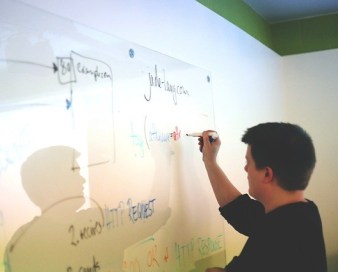 This is a no-brainer because it’s obviously crucial. Planning is something I actually didn’t do a lot as a little kid when working on stories. This is largely because I always improvised my ideas. I would just staple the paper together and then write & draw whatever came to mind. I always made it up as I went along, so whenever I needed more paper I’d staple another sheet and continue
At the time, I only cared about results and always had fun making books. This changed in the 4th grade when I learned how to write drafts on paper before turning them into books. It was an extra step, but it felt nice jumping straight into the story before thinking about page count and how much paper to use. I still worked the old way when creating comics, but other written projects benefited greatly from working from drafts. Sometimes, I would even print out the text from a computer, cut the pages up, and glue or tape them into books after creating the pages.
In short, I realized that planning goes a long way, makes things easier to manage, and can even lead to other possibilities.
Recent Experiences
These days, I’m making better use of planning when it comes to blogging. When I first started the blog, I always improvised. But after a while, I looked at writings from various notebooks and started experimenting with them, pulling them apart and turning them into rough drafts. This is something I mostly like to do with Mingled-up Musings, but it has led to other blog posts to.
 Eventually, when I started doing monthly themes like Star Wars month and the Halloween entries, I knew it would help to write out ideas in a calendar and outline the entries before turning them into rough drafts. This year, I’m doing that and much more. Rather than planning a month of stuff before that month of working on it, I’ve got those entries figured out right now. Having mapped out a full idea of what I’m doing in those months’ entries feels nice. I even turned a steno pad I’ve had for a while into a planner to keep track of what’s coming and what to check off.
Planning anything early and scheduling it are crucial steps in productivity and definitely shouldn’t be overlooked. It’s obviously a no-brainer, and many may think, “Oh well I know that, I got this,” but sitting down and taking the time to figure it out is different from just thinking about it. People who do this for a living definitely know what I’m talking about. Making the time to do it is the trick here, so it’s good to get rid of any distractions.
Time management is a whole other topic, but I found that I was able to map out a lot of those blog entries in just under 30 minutes. Ideas from Stephen Guise’s book Mini Habits have been very useful and show how someone can break anything up into small easy-to-do actions. Then there’s the “Pomodoro” technique, which can be effective for making any task more time-efficient without reaching burnout.
 Getting Started
So after getting initial ideas on paper, outlining them, and planning/scheduling them, the main act of producing finally comes into play. But how do you actually start the main work?
I have to admit, sometimes I don’t know how to start an entry. But you don’t necessarily have to start at the beginning of something. I’ll look at any part of an outline that excites me (it could be in the middle or even at the end), and then freewrite from that part. After I do that for a bit, I’ll jump around, work backwards, work on the ending part, move things around, and shape it as I get it all written. It might sound a little crazy and all over the place, but I find that as you work on one piece, you’ll get ideas for another. And once you get those ideas, it’s good to quickly write them down. Even if its in a shorthand form, just get that thing written. You can always flesh it out later.
No matter how you do it, you just gotta do it in a way that gets you moving. Keep moving until you need/want to take a break. Use the Pomodoro technique to do this in more manageable time chunks.
 I find that that’s where the main idea of productivity comes into play. The other things like planning and organizing are important; but in the end, it’s about producing something. And if you’re not producing something yet, get closer to starting it! Look at what you want to do, think about what’s needed in order for it to get completed, figure it out, create a map or guide of sorts, and then start moving towards that destination.
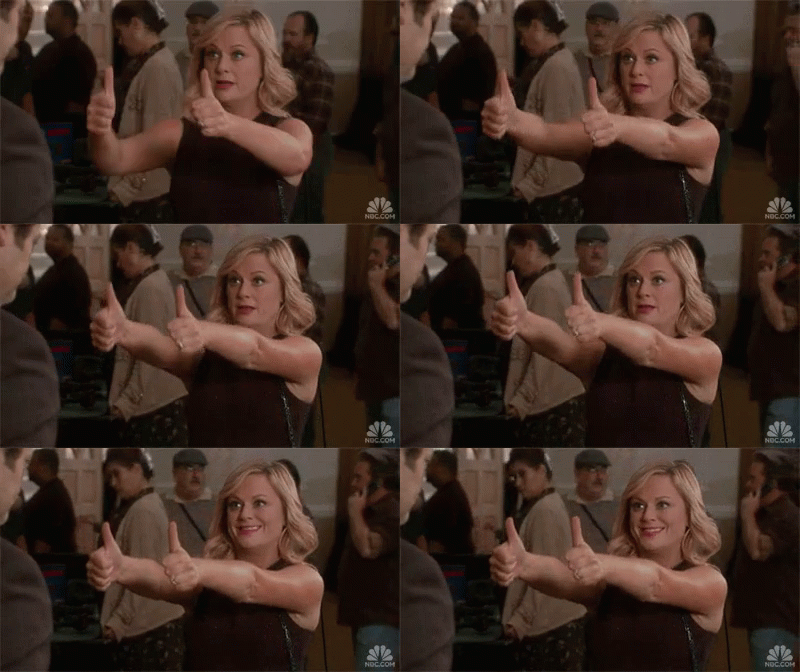
And after it’s all done, give yourself a thumbs up and celebrate.
Obviously, there’s a lot more to touch on when it comes to productivity. I didn’t even go into software and tools (that could become the focus of a follow-up entry). Then there are other sub-topics like how to focus without distractions. And to top it off, there’s always a lot more to learn in terms of refining your workflow and experimenting with it.
In the end, I think of productivity as something that applies to anything. Not just desk jobs and creative endeavors. Ideas behind it can make any kind of project useful and even fun to work on.
If you like working on cars, organizing and planning on equipment you need can make it go more smoothly so that you’re not just digging through an unsorted pile of parts. If you draw or create any other visual form of art, having a clean desk space and prioritizing what to work on can motivate you to get those art pieces done more efficiently.
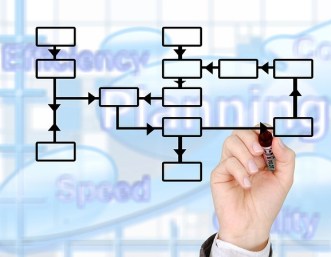 Any field benefits from productivity, and that’s how I think of it. It’s a broad set of tools and ideas that can turn any kind of project or work into something that excites you and makes you want to get more done.
Productivity helps give direction, as well as the means of getting to your end goal. All it takes to get started is to make the time to sit down and figure out what you want to do. When you complete that first step, it can give you confidence to proceed with the rest. And once you complete your project, you’ll want to do it all again. Because when you start planning and producing stuff, you’ll realize you can take things further for the next big thing you work on.
So until next time, keep going and always remember that you got this!
 Kasey Lewis - Actor, Writer, Creator